

Cold Storage Warehouses in Vinnytsia: An Overview
What Are Refrigerated Warehouses?
Refrigerated warehouses are specialized facilities designed to maintain controlled temperatures for storing products, medicines, and other goods sensitive to heat. They are equipped with powerful cooling systems, thermal insulation, and ventilation to prevent spoilage and preserve quality.
Such facilities include various zones: chilled chambers from 0 to +10 °C and freezing chambers down to -25 °C and below. This allows for the storage of fresh vegetables, frozen meat, or pharmaceuticals without risk.
In Ukraine, refrigerated warehouses play a key role in supply chains, especially for the agricultural sector and retail. Thanks to them, seasonal products remain available year-round.
Classification of Refrigerated Warehouses

Refrigerated warehouses are classified by height, temperature regime, and class. High warehouses (Class A+) exceed 12 meters, enabling multi-level racking and increased storage volume.
By temperature: medium-temperature (+2…+8 °C) for vegetables and fruits, low-temperature (-18…-25 °C) for freezing, and ultra-low (-40 °C and below) for special needs.
“The right class choice directly impacts business efficiency,” notes a logistics specialist. Class A is ideal for large centers with process automation.
Construction of Refrigerated Warehouses: Key Aspects
Construction of refrigerated warehouses requires careful planning. It starts with selecting a site with good transport access and reliable power supply. Next comes design accounting for cooling zones.
Main stages:
- Project development and engineering systems.
- Installation of a metal frame and sandwich panels with thick thermal insulation.
- Installation of equipment for refrigerated warehouse — compressors, evaporators, automation.
- Testing for airtightness and energy efficiency.
To build a refrigerated warehouse in Ukraine in 2026 costs approximately 200–400 USD per m² depending on complexity. Low-temperature facilities are more expensive due to reinforced insulation.
| Warehouse Size (m²) | Temperature Regime (°C) | Approximate Cost (USD/m²) | Construction Time (months) |
|---|---|---|---|
| 500–1000 | 0 to +10 | 180–280 | 3–5 |
| 1500–3000 | -18 to -25 | 300–400 | 5–7 |
| 4000+ | -30 and below | 350–500+ | 7–10 |
Data based on market trends in 2025–2026. Construction of refrigerated warehouses pays off with constant large storage volumes.
Renting a Refrigerated Warehouse: Advantages and Features

Refrigerated warehouse rent allows quick access to ready space without major investments. Tenants pay for chamber use, maintenance, and security, avoiding repair costs.
In Ukraine, rental rates range from 5 to 10 USD per m² per month depending on region, class, and temperature. In Kyiv and the region, prices are often higher — 7–9 USD per m² for refrigerated mode.
Advantages: flexibility for seasonal needs, no equipment worries. “For small and medium businesses, rent is the safest start,” emphasizes a cold-chain logistics expert.
For example, a fruit supplier rents chambers for 3–6 peak-season months, minimizing risks.
Warehouse with Refrigerated Chambers: Space Organization
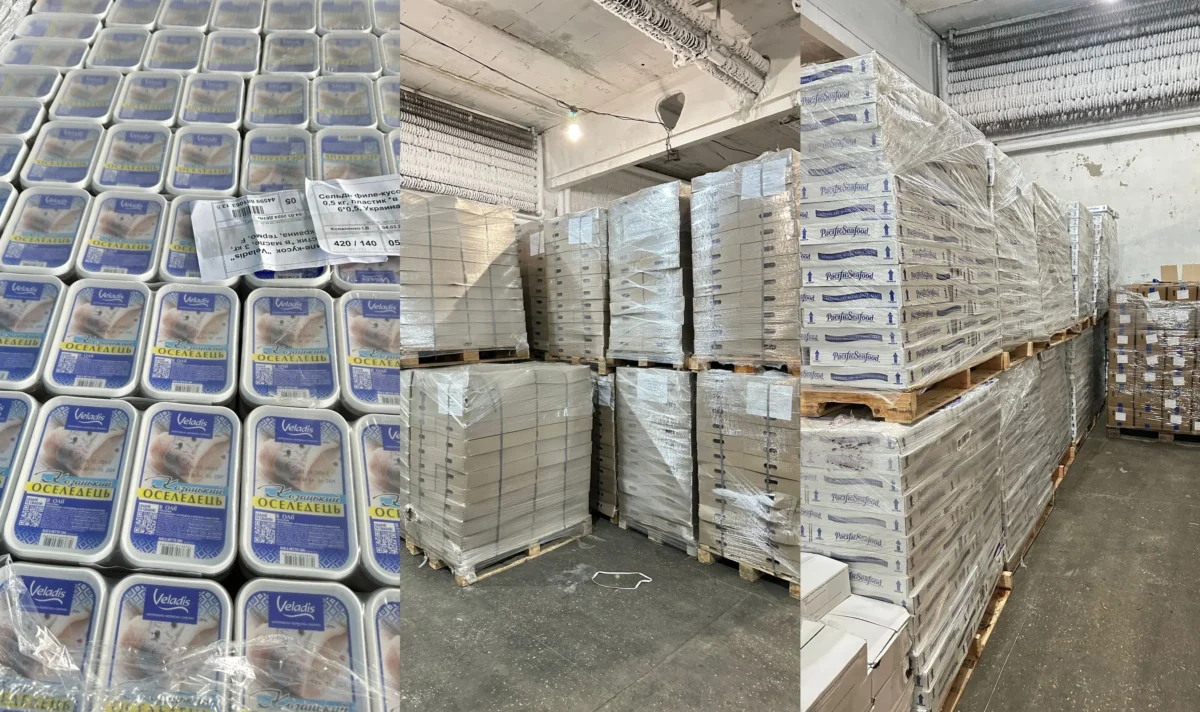
Warehouse with refrigerated chambers requires clear zoning. Chambers are separated by products: separate for vegetables, meat, dairy to avoid cross-odors and contamination.
Ventilation and humidity control are mandatory — 85–95% for fruits. Anti-slip floors, fast-closing doors preserve cold.
In real practice, a large distribution center uses automated gates and sensors, reducing energy losses by 15–20%.
For quick-freezing technologies, we recommend reviewing the material on Shock Freezing.
Equipment for Refrigerated Warehouse
Equipment for refrigerated warehouse includes compressor units, evaporators, automation, and monitoring systems. Modern models use eco-friendly refrigerants and energy-efficient compressors.
Split systems suit small facilities; central stations with heat recovery fit large ones. Regular maintenance extends service life for decades.
Switching to LED lighting and motion sensors significantly reduces electricity bills.
Refrigerated Warehouses for Storing Vegetables and Fruits
Refrigerated warehouses for storing vegetables and fruits require a special approach: +2…+8 °C temperature, high humidity, and ethylene control. This extends shelf life 2–3 times.
Process: receiving → sorting → placement in ventilated chambers → monitoring. Gas generators slow ripening.
“Such warehouses save up to 30% of the harvest from losses,” shares an agricultural producer’s experience. They ensure stable retail supplies.
Refrigerated Warehouse: Operation Features
Refrigerated warehouse focuses on minimizing heat losses. Polyurethane insulation 150–300 mm thick and heat recovery systems are standard.
Daily checks: temperature, humidity, door seals. Backup generators save during power outages.
In a Kyiv center example, IoT monitoring prevents downtime and product spoilage.
Advantages of Refrigerated Warehouses in Logistics

Refrigerated warehouses reduce losses in supply chains, optimize purchases, and store large batches. For agribusiness, this means export stability.
“Investments in cold pay off quickly through reduced waste,” analyzes a specialist. In Ukraine’s climate, they are indispensable.
Comparison: Rent vs Construction
The choice between refrigerated warehouse rent and construction of refrigerated warehouses depends on scale. Construction suits large companies with long-term plans — full customization, but investments from 200–500 USD per m².
Rent offers flexibility: 5–10 USD per m² per month, no capital costs or maintenance.
“Many start with rent, test demand, then build their own,” advises a real estate consultant.
Energy Saving in Refrigerated Warehouses
Modern refrigerated warehouses feature solar panels, LEDs, and smart automation. Thick insulation and heat recovery cut consumption by 25–35%.
In a real case, a warehouse with motion sensors saved a significant amount on electricity.
This not only saves money but also reduces environmental impact.
Safety and Regulations
Refrigerated warehouses comply with DBN and sanitary norms: ventilation, fire suppression, sanitation. Security, video surveillance, and staff training are mandatory.
Workers use protective clothing and know evacuation rules. “Safety prevents accidents and fines,” stresses an inspector.
Regular audits ensure compliance.
The Future of Refrigerated Warehouses
Trends: robotic loading, AI for predictive maintenance, eco-refrigerants. Multi-story designs save land.
This will increase refrigerated warehouses efficiency. Businesses gain new optimization opportunities.
In summary, understanding the refrigerated warehouses market helps choose the optimal path — rent or own construction. Stay updated on logistics and cold-chain developments to remain competitive.
Price depends on area, temperature regime, insulation materials, and equipment. In Ukraine in 2026, average costs are 200–500 USD per m². Low-temperature facilities are more expensive due to complex systems.
The process includes design, metal frame and sandwich panel installation, refrigeration equipment setup, and testing. It takes 4–10 months. Compliance with insulation and ventilation norms is crucial.
Rent in Ukraine is 5–10 USD per m² per month, depending on region, class, and temperature. In Kyiv often 7–9 USD. Includes maintenance, but electricity is extra.
Factors: size, insulation type, refrigeration unit power, and location. Freezing facilities cost more due to reinforced structures. Total costs are calculated individually.
Consider volume, required temperature, and energy efficiency. Compressor systems with automation are preferred. Specialist consultation helps select the optimal option.
